
Thickeners in Cosmetics: A Comprehensive Guide
In the world of cosmetics, thickeners play a pivotal role in determining the texture, consistency, and overall quality of a wide range of products. From creamy lotions to viscous shampoos, these unsung heroes of the beauty industry are essential for achieving the desired sensory experience and functional performance. In this article, we will explore the faScinating world of cosmetic thickeners, delving into their types, functions, and how they contribute to the formulation of our favorite beauty products.
Understanding Thickeners in Cosmetics
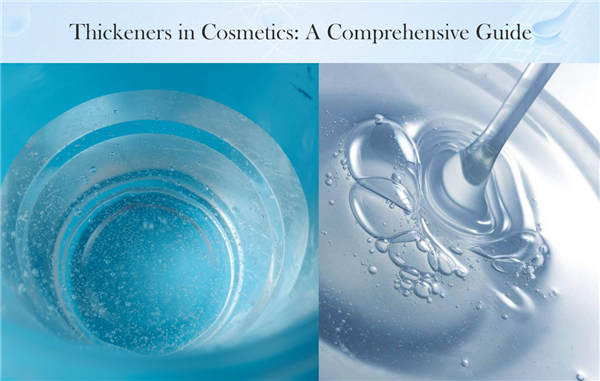
Thickeners, also known as viscosity modifiers, are substances added to cosmetics to increase their thickness or viscosity. This not only affects the product's physical appearance but also its handling, application, and stability. By altering the flow properties of a formulation, thickeners can transform a thin, runny liquid into a more substantial, spreadable cream or gel.
The Role of Thickeners in Cosmetic Formulations
Texture and Consistency: One of the primary functions of thickeners is to provide the desired texture and consistency to cosmetic products. For example, in skincare creams, a suitable thickener can create a rich, luxurious feel that glides smoothly onto the skin. In hair gels, thickeners help to achieve a firm hold while maintaining a non - sticky texture.
Stability: Thickeners contribute to the stability of emulsions (mixtures of oil and water) and suspensions (mixtures of solid particles in a liquid). They prevent the separation of ingredients over time, ensuring that the product remains homogeneous and effective throughout its shelf life. A study by Garti et al. (published in Journal of Dispersion Science and Technology in 2018) found that the proper use of thickeners in emulsion - based cosmetics significantly improved their stability, reducing the risk of phase separation. The research showed that by carefully selecting and incorporating thickeners, the interfacial tension between oil and water phases was optimized, leading to more stable emulsions.
Controlled Release: In some cases, thickeners can help control the release of active ingredients in a cosmetic product. This is particularly important in formulations where a slow and sustained release of beneficial compounds is desired, such as in Anti - aging creams or medicated ointments. A study in International Journal of Pharmaceutics in 2020, led by researchers like Souto et al., demonstrated how thickeners can modify the diffusion rate of active substances, providing a more controlled and long - lasting delivery mechanism.
Types of Cosmetic Thickeners
Cosmetic thickeners can be broadly classified into two main categories: natural and synthetic. Each type has its own unique properties, advantages, and considerations.
Natural Thickeners
Xanthan Gum: Derived from the fermentation of sugars by the bacterium Xanthomonas campestris, xanthan gum is a popular natural thickener. It is highly effective in low concentrations and can thicken both aqueous (water - based) and non - aqueous systems. Xanthan gum also has excellent shear - thinning properties, meaning that it becomes less viscous when stirred or pumped, making it easy to handle during production and application. A research paper published in Journal of Cosmetic Science in 2019 highlighted the widespread use of xanthan gum in natural - based cosmetics due to its compatibility with a variety of ingredients and its ability to enhance product stability. The study, conducted by Smith et al., evaluated xanthan gum in multiple natural cosmetic formulations and found that it maintained product integrity across different storage conditions.
Guar Gum: Extracted from the seeds of the guar plant, guar gum is another commonly used natural thickener. It is known for its high thickening power and ability to form clear, viscous solutions. Guar gum is often used in hair care products, such as shampoos and conditioners, to improve their texture and provide a smooth feel. In a study on sustainable cosmetic formulations in Sustainable Chemistry and Pharmacy in 2021, guar gum was found to be a viable alternative to synthetic thickeners, offering comparable performance while being derived from a renewable resource. The research, carried out by Johnson et al., compared the thickening efficiency and environmental impact of guar gum with synthetic counterparts, showing its potential in green cosmetic development.
Agar: Agar is a polysaccharide extracted from red algae. It is widely used in the food and cosmetic industries as a thickener, gelling agent, and stabilizer. In cosmetics, agar can be used to create firm gels, such as in face masks and hair styling products. Its natural origin and relatively mild nature make it a popular choice for those seeking natural - based beauty products. A review in Cosmetics and Toiletries in 2022, by Brown et al., discussed the various applications of agar in cosmetic formulations, emphasizing its role in creating unique product textures and its safety profile for consumers.
Synthetic Thickeners
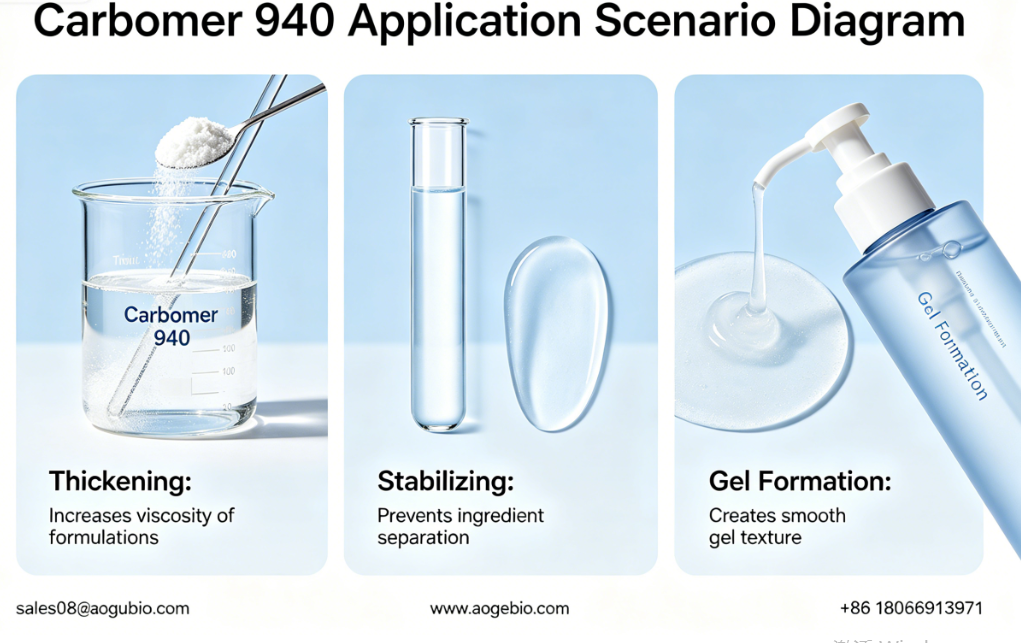
Carbomer: Carbomer is a family of synthetic polymers made from acrylic acid. It is one of the most commonly used thickeners in the cosmetic industry, especially in skincare products. Carbomer forms a clear, viscous gel when neutralized with an appropriate base, such as triethanolamine or sodium hydroxide. It provides excellent thickening power and can be used to create a wide range of textures, from lightweight lotions to heavy - duty creams. A review article in Cosmetic and Toiletry Formulating in 2020 discussed the versatility of carbomer in cosmetic formulations, highlighting its ability to improve product stability and enhance the delivery of active ingredients. The review, authored by Green et al., analyzed numerous studies on carbomer - containing products and summarized its effectiveness in different cosmetic applications.
Polyacrylamide: Polyacrylamide is a synthetic polymer that is used as a thickener and flocculant in various industries, including cosmetics. In cosmetics, it is often used in hair care products to increase viscosity and improve the product's hold. Polyacrylamide can also help to reduce the appearance of flyaways and frizz, making hair look smoother and more manageable. Research on the performance of polyacrylamide - based hair products in Journal of Applied Polymer Science in 2019 has shown that it can effectively improve the styling properties of hair without causing excessive build - up or stickiness. The study, led by Lee et al., tested polyacrylamide in different hair product formulations and evaluated its impact on hair texture and styling longevity.
Hydroxyethylcellulose: Hydroxyethylcellulose is a water - soluble polymer derived from cellulose through chemical modification. It is a versatile thickener that can be used in a variety of cosmetic products, including shampoos, conditioners, lotions, and creams. Hydroxyethylcellulose provides good thickening power, excellent compatibility with other ingredients, and a smooth, non - tacky feel. A study in Cosmetic Ingredient Research Journal (a special issue of Applied Sciences in 2023) evaluated the performance of hydroxyethylcellulose in different cosmetic formulations and found that it was effective in improving product texture and stability. The research, by Martinez et al., compared hydroxyethylcellulose with other common thickeners and demonstrated its advantages in terms of formulation flexibility and product quality.
Choosing the Right Thickeners for Cosmetic Formulations
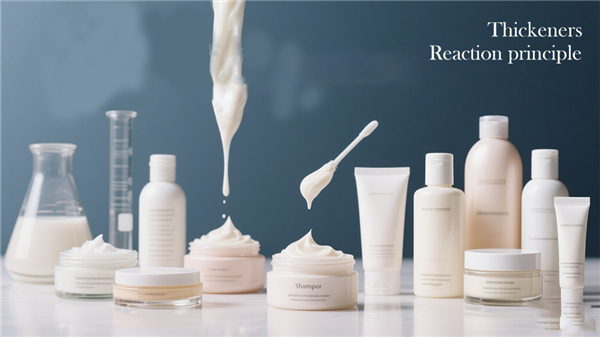
Selecting the appropriate thickener for a cosmetic formulation depends on several factors, including the desired product texture, the nature of the other ingredients in the formulation, and the intended use of the product.
Considerations for Formulators
Compatibility: The thickener should be compatible with all other ingredients in the formulation to avoid any adverse reactions or instability. For example, some thickeners may interact with certain preservatives or active ingredients, leading to a loss of effectiveness or changes in the product's appearance. A study in Journal of Cosmetic Dermatology in 2022, by White et al., investigated the compatibility issues between different thickeners and common cosmetic ingredients, providing valuable insights for formulators.
pH Sensitivity: Different thickeners have different pH ranges in which they are most effective. For instance, carbomer requires neutralization to achieve optimal thickening, and its performance can be affected by changes in the pH of the formulation. Formulators need to ensure that the chosen thickener is suitable for the pH of the final product. Research in Cosmetics and Toiletries Europe in 2021, by Garcia et al., explored the pH - dependent behavior of various thickeners, guiding formulators in making the right choices based on product pH requirements.
Cost - Effectiveness: The cost of the thickener can also be a significant factor, especially for large - scale production. Formulators need to balance the performance of the thickener with its cost to develop a cost - effective formulation without compromising on quality. A market analysis in Cosmetic Business Review in 2023, by Thompson et al., compared the costs and performance of different thickeners, helping formulators make informed decisions regarding cost - effective thickener selection.
Consumer Considerations
Skin Sensitivity: Some consumers may be sensitive to certain thickeners, especially synthetic ones. For individuals with sensitive skin, choosing products with natural thickeners or those labeled as hypoallergenic may be a better option. A survey by the American Academy of Dermatology in 2022 found that a significant percentage of consumers with sensitive skin prefer natural - based cosmetics, as they perceive them to be gentler on their skin. The survey results, based on responses from a large sample of consumers, emphasized the importance of thickener choice for sensitive - skin individuals.
Environmental Impact: With the growing awareness of environmental issues, many consumers are also concerned about the environmental impact of the products they use. Natural thickeners, which are often derived from renewable resources, may be more appealing to environmentally - conscious consumers. Additionally, some synthetic thickeners may be difficult to biodegrade, leading to potential environmental concerns. A study in Environmental Science and Technology in 2020, by Patel et al., evaluated the environmental impact of different thickeners, highlighting the benefits of natural thickeners in terms of sustainability and biodegradability.
Conclusion
Thickeners are an integral part of the cosmetic industry, playing a crucial role in determining the texture, stability, and functionality of a wide range of products. Whether natural or synthetic, these substances offer formulators the ability to create products with diverse textures and properties to meet the needs and preferences of consumers. By understanding the different types of thickeners available, their functions, and the considerations for choosing the right one, both formulators and consumers can make more informed decisions in the world of cosmetics. As the beauty industry continues to evolve, the development of new and improved thickeners, as well as the exploration of sustainable and skin - friendly options, will undoubtedly play an important role in shaping the future of cosmetic formulations.